- The Launch to Scale Newsletter
- Posts
- This Ugly Product Makes $80k/Month
This Ugly Product Makes $80k/Month
And no... it’s not what you think.

Andy Splichal
March 20, 2026
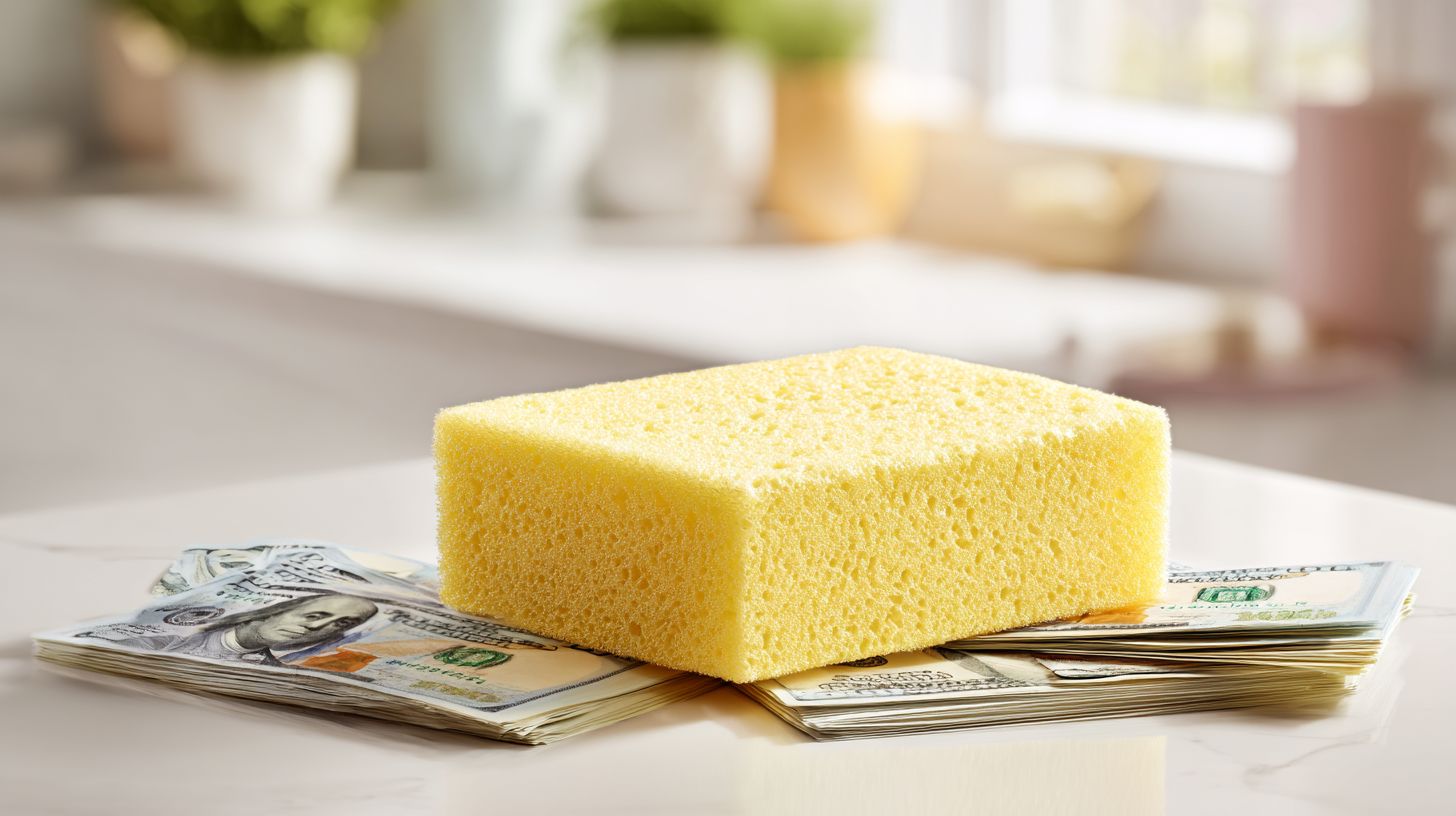
Fancy doesn’t make money. Boring does.
I’m gonna say something that might sting a little…
The more “exciting” your product idea is…
the more likely it is to fail on Amazon.
Yeah. I said it.
Because while you’re dreaming about the next viral gadget…
Someone else is quietly selling 500 units a day of…
a garlic press. 😅
📖 The day a sponge humbled me
Years ago, I was deep in product research.
I thought I was a genius.
I had this idea for a sleek, modern kitchen tool.
Cool design. Premium feel. Looked like something Apple would sell.
I was sure it would crush.
Then I checked the numbers.
It was… meh.
Low search volume. High competition. Expensive to make.
Then I stumbled on something else.
A basic scrub sponge.
Nothing sexy. No “wow factor.” No one brags about it at parties.
But here’s what I saw:
20,000+ monthly searches
Repeat purchases
Simple manufacturing
Low return rate
And the kicker?
One seller was doing $80k/month… selling sponges. 🧽
That’s when it hit me…
I wasn’t building a business.
I was chasing ego.
🔢 The “Boring Product” Strategy (Step-by-Step)
Let me break this down in a way that actually works—especially if you’re juggling life, a job, and trying to build this thing on the side (like most sellers I know, and probably you too ).
1. 🎯 Look for problems, not passion
Forget “what’s cool.”
Ask:
What do people need every week?
What breaks, runs out, or wears down?
What do people buy without thinking?
Examples:
Dish brushes
Storage bags
Pet lint rollers
Drawer organizers
These are boring.
They also print money.
2. 📦 Favor simple over smart
Complex products = complex problems.
You don’t want:
Electronics (returns = nightmare)
Moving parts (break = refund)
Complicated instructions (bad reviews)
You want:
Easy to use
Easy to ship
Hard to mess up
Simple wins because simple scales.
3. 🔁 Look for repeat buyers
This is where boring products shine.
If someone buys once… great.
If they buy every month… now we’re talking.
Look for:
Consumables (sponges, bags, filters)
Wear-and-tear items (brushes, mats)
Replacements (parts, refills)
One customer can be worth 10+ orders.
4. 💸 Keep costs low and margins clean
Remember—most sellers you’re competing with are budget-conscious, cautious, and hate wasting money .
So your product should be:
Cheap to source
Cheap to ship
Easy to bundle
You don’t need a $30 profit per unit.
You need consistency.
5. ⭐ Win with small improvements
Here’s the secret sauce.
You don’t need to reinvent the wheel.
Just make it… better.
Ask:
Can I bundle 2 instead of 1?
Can I improve packaging?
Can I fix a top complaint in reviews?
That’s it.
That’s the game.
🎯 The Big Takeaway
Boring products win because they solve boring problems…
Every. Single. Day.
And daily problems = daily sales.
The flashy stuff?
Trends fade
Competition spikes
Costs explode
But boring?
Stable demand
Predictable sales
Easier scaling
You don’t need a viral product.
You need a reliable one.
🧠 Final Thought
You don’t need to impress people.
You need to serve them.
And most people don’t need fancy…
They need something that works.
Stay scrappy, stay simple… and maybe go hug a sponge. 🧽😅
Andy Splichal
Founder & Managing Partner of True Online Presence & Author of the Make Each Click Count Book Series
P.S. Want to scale your sales without scaling your stress? I manage PPC for sellers who are serious about growth.
🎯 Book a free strategy call here — we’ll map out a winning game plan.
P.S. Want a fast way to increase your Amazon sales? Take a look at my new software, Persona Factor, that uses your product reviews to optimize your product titles and descriptions.